The Nature Conservancy
Most impact reports are read by, well, nobody. The Nature Conservancy needed one that high-value donors would actually finish – something that made rigorous conservation science feel as urgent and alive as the places it was trying to protect. So we gave them the magazine treatment.
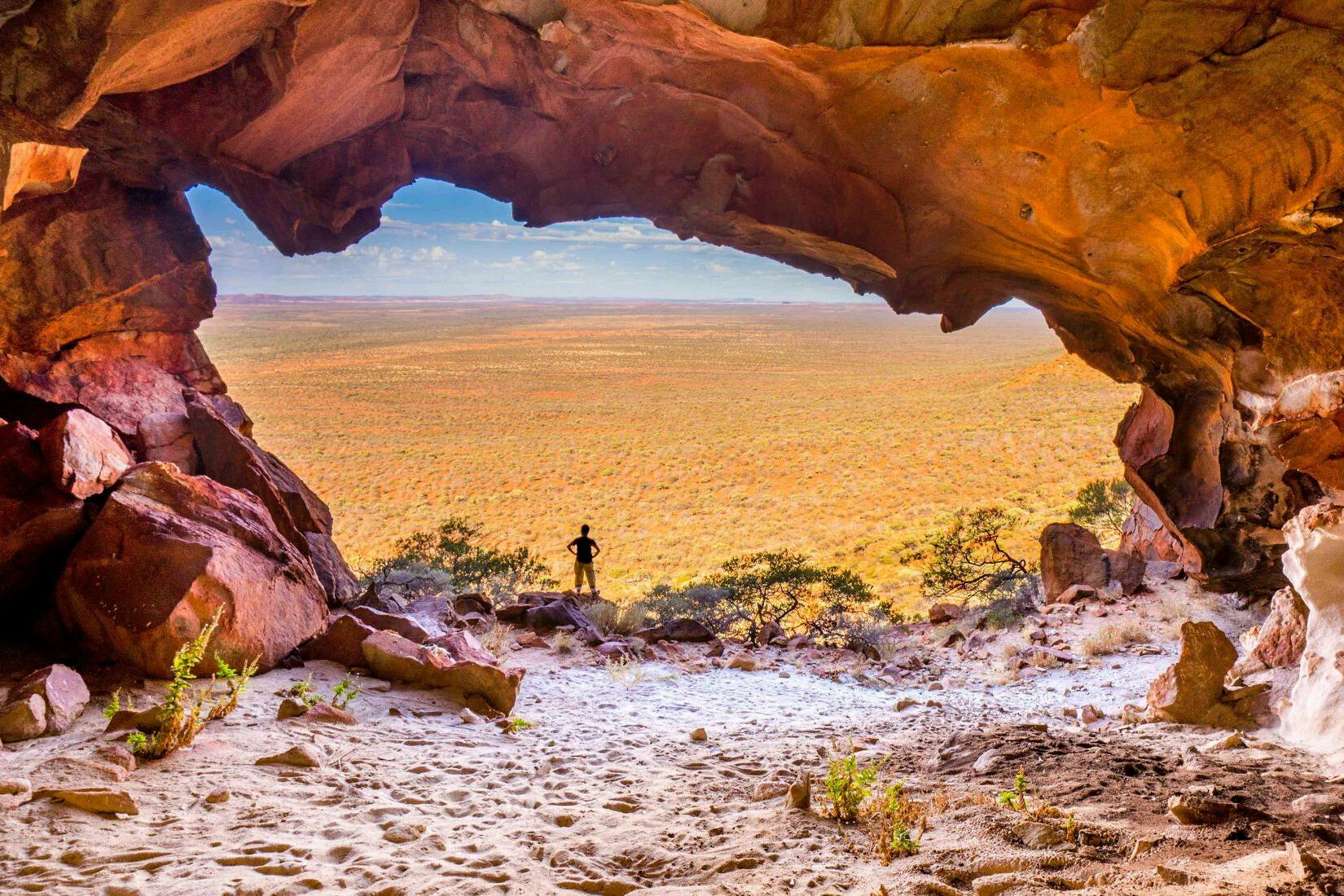
“You know when you read something and you think ‘Gee. I wish I’d written that’? That’s Fireside. At times it feels like they know what we want – and need – better than we do. They understand our ambition, they talk to our people, with warmth and respect – and then they bottle it and hand it back to us. Just like we’d hoped they would. Only better.”
– Ally Catterick, Director of Marketing and Communications, The Nature Conservancy
The challenge
A lot of impact reports are exercises in obligation – dense with data, light on soul, destined for a drawer. The Nature Conservancy knew their supporters were too sophisticated for that. High-value donors don't respond to vague claims about making a difference – they want evidence, specificity, and stories that make them feel like participants in something real.
The organisation needed a report that could do two jobs at once: make the rigorous case for conservation science, and make readers genuinely want to be part of it.
The approach
Drawing on our experience editing some of the country's best-loved publications, we gave The Nature Conservancy the magazine treatment – profiling the scientists, landholders and community champions doing the work, and letting their passion bring the data to life.
The result was a report that read like a weekend long-read but worked like a sophisticated funding tool, drawing donors in and never feeling like a pitch. Ecological complexity became vivid storytelling, while abstract notions of impact became tangible change. The writing moved people. And when people are moved, they act.
The impact
The report gave The Nature Conservancy something most impact reports never manage: supporters who actually read it. Donors responded to seeing their contribution reflected in real stories about real places, and the organisation found itself having richer, more substantive conversations with the people it needed most. Less explaining, more connecting.
Here’s what we learned:
Here’s what we learned:
- Donors don't want to feel like they've given to a cause – they want to feel like they're part of one. The story has to put them in it.
- Conservation writing has a reputation for doom or worthiness. The sweet spot? Being hopeful without being naive, and being serious without being humourless.
More work
Some key fields for the card are missing